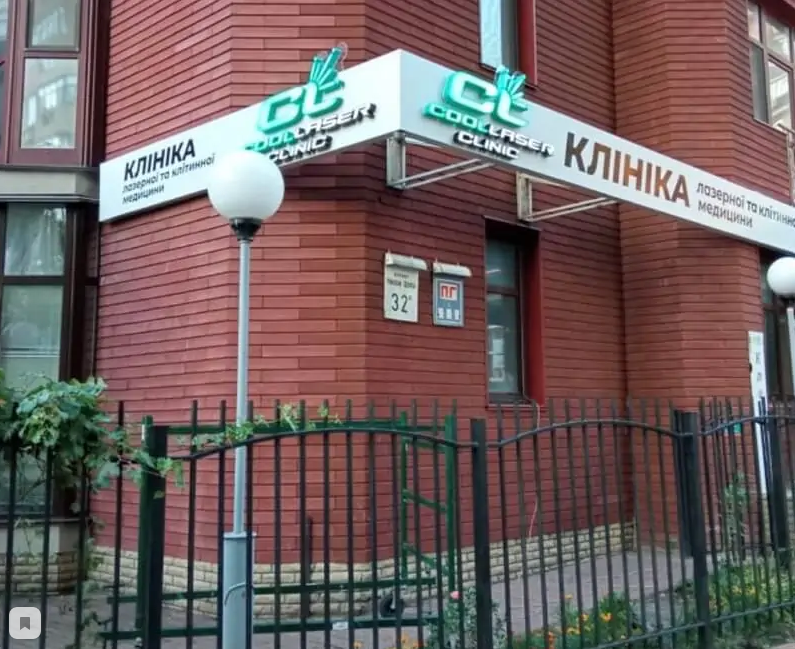

بعد إنشاء معهد العلاج بالخلايا الجذعية في أوكرانيا أو مايسمى بمعهد العلاج الخلوي والبحوث المتخصصة في الخلايا الجذعية، افتتح المعهد قسم العيادات الخاصة بالعلاج الخلوي والتي يشرف عليها متخصصون من معهد العلاج الخليوي وطورت وزودت بأحدث التطورات العلمية في التقنيات الخلوية ، CRYOMEDICINE و أساليبها الخاصة في المعاملة مع الخلايا الجذعية. حيث حصل معهد العلاج بالخلايا الجذعية على براءات الاختراع والشهادات بالإضافة إلى العديد من حقوق التأليف والنشر ، وقد حصل على اعتراف دولي وأثبتت فعالية عالية في الممارسة السريرية.
إن معهد الخلايا الجذعية في أوكرانيا والواقع في العاصمة الأوكرانية كييف مجهز بمعدات وتقنيات حديثة اللازمة لإجراء الاختبارات التشخيصية ولإعادة تأهيل المرضى الذين يعانون من الأمراض المعقدة أين كانت مسبباتها، عندما يكون العلاج التقليدي ليس فعالا.
إن البرامج العلاجيه والصحيه في المركز والعياده لا تقدم العلاج الفعال فقط للأمراض المزمنة ،بل ولكن تقدم أيضا الوقاية من الامراض والشيخوخة والتجدد. مع مكافحة الشيخوخة (العلاج بالعقاقير المضادة لتقدم العمر) مع استعمال المستحضرات البيولوجية التي وضعها خبراء من معهد العلاج الخلوي يمكن وقف عملية الشيخوخة ، على مستوى أكثر نشاطا ووظيفيا.


ENGL. +380689380303
coolaserclinic@gmail.com
Kiev, Pechersk, Konovalets str. 32B
نحن: